Which of the 7 Tailored Benign Prostatic Hyperplasia Surgeries is Right for Your Prostate Health?
Why is a Tailored Approach Crucial for Managing Benign Prostatic Hyperplasia?
Benign prostatic hyperplasia (BPH) is a progressive, non-malignant proliferation of the epithelial and stromal tissues within the transition zone of the prostate gland, which anatomically compresses the prostatic urethra, leading to bladder outlet obstruction (BOO) and severe lower urinary tract symptoms (LUTS). Left untreated, this chronic obstruction can progress to irreversible detrusor muscle hypertrophy, myogenic failure, and post-renal azotemia.
For decades, surgical treatments were limited, but contemporary urological practices emphasize personalized approaches. Instead of a one-size-fits-all model, custom surgery selection maximizes symptom relief while minimizing risks like thermal tissue damage, incontinence, and sexual dysfunction.
Treatment timing: Surgical intervention is strongly indicated when conservative medical therapies fail, or when recurrent urinary retention, persistent hematuria, bladder stones, or post-renal chronic kidney disease occur.
Non-surgical care: Conservative management utilizing lifestyle modifications and combined pharmacotherapy (such as alpha-blockers and 5-alpha reductase inhibitors) is highly reasonable for patients with mild to moderate symptoms (IPSS under 8) and no secondary bladder complications.
Treatment selection: Modern urological selection depends on prostate volume (e.g., under 30g, 30-80g, or over 80g), anatomical configuration (presence of a median lobe), cardiovascular risks, and patient preferences regarding the preservation of ejaculatory function.
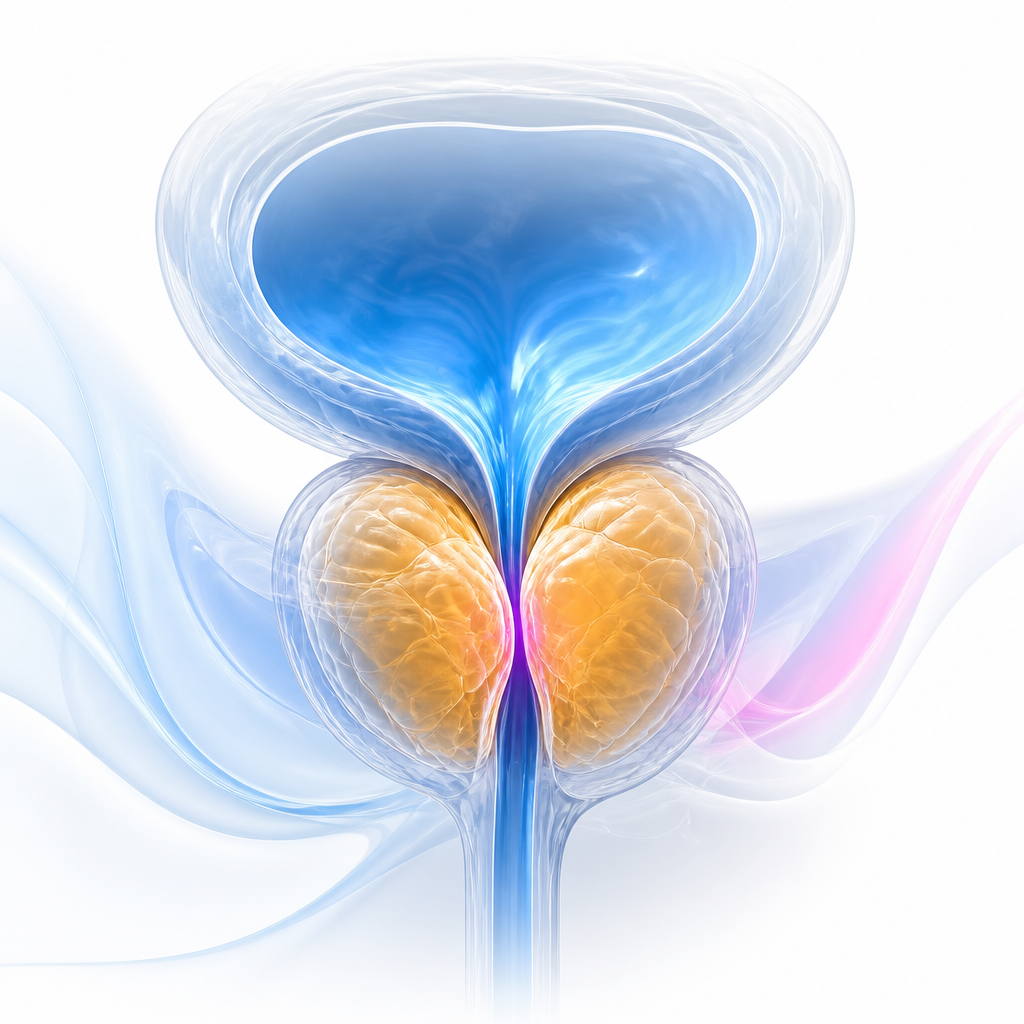
How Do the 7 Tailored Prostate Surgeries Compare in Efficacy and Patient Outcomes?
Advanced urology clinics now implement up to seven tailored surgical pathways. These include traditional tissue removal techniques and modern minimally invasive interventions. Selecting the optimal modality requires evaluating the patient’s physical condition, prostatic anatomy, and specific recovery goals.
According to multiple observational studies and meta-analyses, including the European Association of Urology (EAU) guidelines updated in 2023, the choice of surgery directly influences long-term durability and post-operative quality of life. Below is a detailed comparison of the most commonly selected pathways:
| Procedure Name | Target Prostate Size | Primary Clinical Advantage | Known Clinical Limitation |
|---|---|---|---|
| Transurethral Resection (TURP) | 30g to 80g | Excellent long-term track record and reliable tissue clearance | Higher risk of retrograde ejaculation and mild bleeding |
| Holmium Laser Enucleation (HoLEP) | Over 80g (Any size) | Minimal recurrence rates and outstanding safety for large glands | Steep learning curve for surgeons and temporary post-op urgency |
| Prostatic Urethral Lift (Urolift) | Under 80g | Preserves sexual and ejaculatory function with rapid recovery | Not suitable for patients with a prominent obstructive median lobe |
| Water Vapor Therapy (Rezum) | 30g to 80g | Minimally invasive, preserves sexual function, treats median lobe | Requires temporary post-op catheterization due to localized edema |
According to official guidelines from the European Association of Urology (EAU) and the American Urological Association (AUA) updated in 2023, both quantitative urodynamic criteria and individualized clinical patient factors must be thoroughly evaluated together.
While options like HoLEP offer unmatched durability, minimally invasive options like Rezum and Urolift cater to individuals seeking rapid social reintegration and the preservation of physiological function. However, outcomes may differ in exceptional cases such as patients with pre-existing severe neurogenic bladder dysfunction or complete detrusor muscle failure, where surgical clearance of the prostate might not fully restore normal micturition.
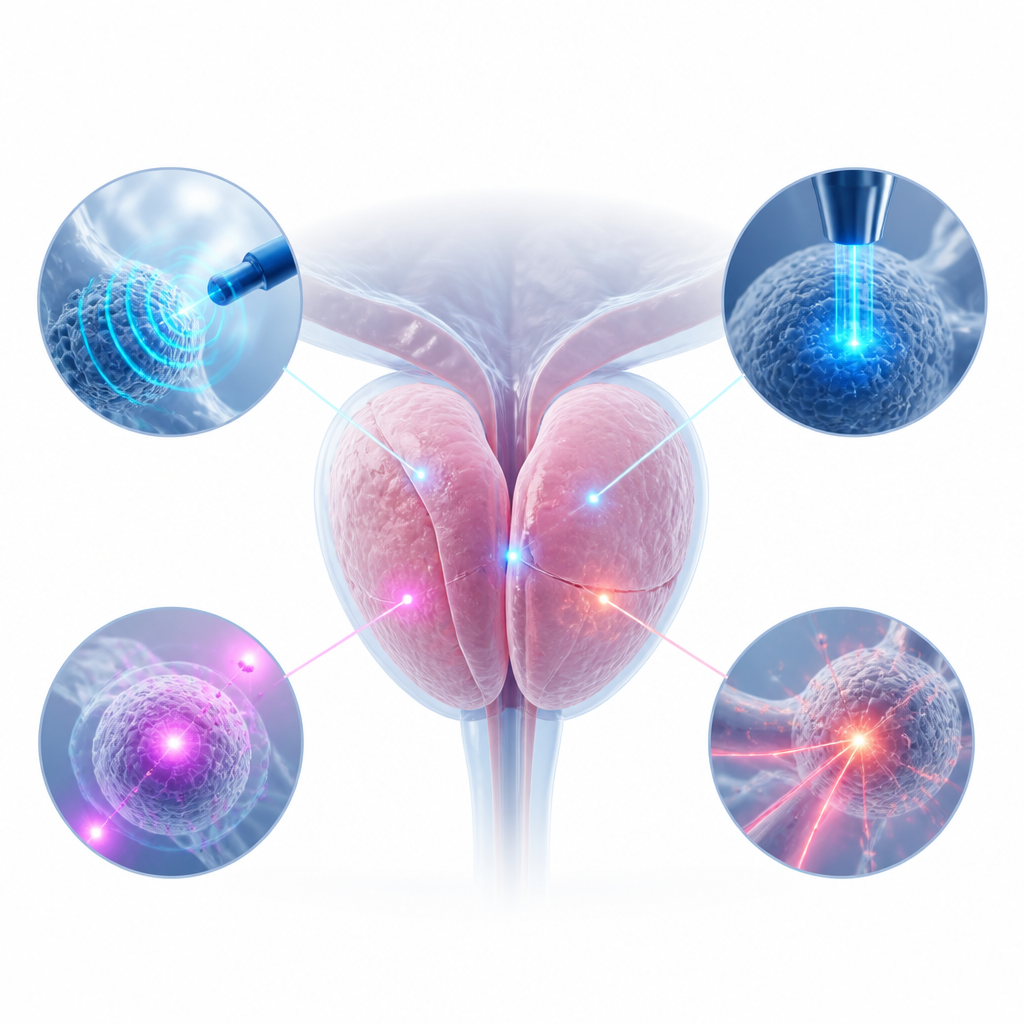
What is the Clinical Protocol for Choosing Your Tailored Prostate Procedure?
Determining the correct surgical pathway involves a systematic evaluation process at 굿모닝비뇨기과. Patients must undergo a series of clinical assessments to ensure the selected procedure aligns with their anatomical and physiological characteristics.
Below is the standard clinical protocol utilized during the diagnostic phase:
- Transrectal Ultrasound (TRUS): Accurately measures total prostate volume (g) and identifies the anatomical presence of an obstructive median lobe.
- Uroflowmetry and Post-Void Residual (PVR): Quantifies the maximum urinary flow rate (Qmax) and measures remaining urine volume to evaluate bladder emptying efficiency.
- International Prostate Symptom Score (IPSS): A standardized questionnaire assessing symptom severity and overall impact on quality of life.
- Cystoscopy Evaluation: Direct visual inspection of the urethra, prostate lobe configuration, and bladder wall to rule out urethral strictures or bladder pathologies.
- Comorbidity and Medication Review: Assessment of cardiovascular status, particularly the use of antiplatelet or anticoagulant medications that affect bleeding risk.
To help guide your personal journey, consider this 3-step decision flow based on typical clinical guidelines:
- Step 1 (Anatomy Assessment): If your prostate volume is exceptionally large (over 80g), advanced laser therapies like HoLEP are highly recommended for complete clearance.
- Step 2 (Functional Priorities): If preservation of sexual and ejaculatory function is your primary goal and your prostate volume is moderate, prioritize minimally invasive options such as Urolift or Rezum.
- Step 3 (Clinical Risk Profiling): If you are on active anticoagulant therapy, discuss photoselective laser vaporization (PVP) or Rezum to minimize perioperative bleeding risks.
Frequently Asked Questions FAQ
QIs sexual dysfunction or retrograde ejaculation inevitable after prostate surgery?
No, it is not inevitable. While traditional surgical options like TURP and HoLEP have high rates of retrograde ejaculation (ranging from 70% to 90% in various clinical trials), newer minimally invasive options such as Urolift and Rezum are specifically designed to preserve the anatomical structures responsible for normal ejaculation, maintaining sexual function in over 95% of treated patients.
QHow long is the recovery period before returning to daily activities?
The recovery timeline varies significantly by technique. Patients undergoing minimally invasive procedures (Urolift, Rezum) often resume light daily activities within 2 to 3 days, although a temporary urinary catheter may be required for a few days after Rezum. Laser enucleations (HoLEP) or TURP typically require 1 to 2 days of hospitalization and a catheter, with complete internal healing taking approximately 4 to 6 weeks, during which heavy lifting should be avoided.
QWhat is the likelihood of needing a secondary reoperation?
According to long-term clinical data, surgical durability is closely linked to the amount of tissue removed. HoLEP offers the lowest reoperation rate (less than 1-2% at 10 years) because it entirely enucleates the adenoma down to the surgical capsule. In contrast, minimally invasive therapies like Urolift have a reintervention rate of approximately 5-6% over 5 years, which many patients accept in exchange for the avoidance of major surgery and preservation of sexual function.
This content is general medical information, and individual treatment decisions should be made through imaging tests and in-person medical evaluation.
Author: Medical content editor based on medical information research
Reviewed by: Specialist consultation from the relevant department
Last reviewed: 2026-06-30
Reference guideline: 2023 American Urological Association (AUA) / European Association of Urology (EAU) Joint Guidelines on BPH
Medical neutrality and closing note
The core of medical decision-making is not to follow a specific device or a trending procedure, but to choose an option that fits each patient’s individual anatomy, condition, risk level, and treatment goals. Every procedure has both advantages and limitations, so decisions should be made after sufficient discussion with an experienced specialist.
[Medical information and copyright notice]
This content is a professional medical column prepared based on medical consultation from 굿모닝비뇨기과.
The infographics used in this article are created to support understanding and may differ from actual clinical results.
The information provided is a general medical guideline, and accurate diagnosis and treatment require an in-person evaluation by a qualified specialist.