When is Prostate Surgery Necessary? A Urology Guide in Ilbong-dong
Is Your Prostate Enlargement Progressing Beyond Medication Control?
For many men experiencing urinary difficulties, the initial management of prostate enlargement involves conservative measures and oral medications. However, because the prostate naturally continues to grow with age, there often comes a point where conservative treatments lose their efficacy. Recognizing the precise threshold at which surgical intervention is required is crucial to preventing long-term, irreversible damage to the bladder and kidneys. This guide explores the pathophysiological progression of prostate enlargement, compares modern surgical modalities, and outlines the standardized diagnostic criteria utilized by urologists to determine the optimal timing for intervention.
Treatment timing: Surgical intervention is strongly recommended when the International Prostate Symptom Score (IPSS) exceeds 20, post-void residual (PVR) volume consistently exceeds 150 mL, or when complications such as acute urinary retention occur.
Non-surgical care: Conservative management, including lifestyle modifications and pharmacotherapy (such as alpha-blockers or 5-alpha reductase inhibitors), is highly reasonable for mild-to-moderate symptoms (IPSS under 12) without structural bladder decompensation.
Treatment selection: The choice between advanced procedures like holmium laser enucleation (HoLEP) and conventional resection is determined by the patient’s prostate volume, overall surgical risk, coagulation status, and desire to preserve sexual function.
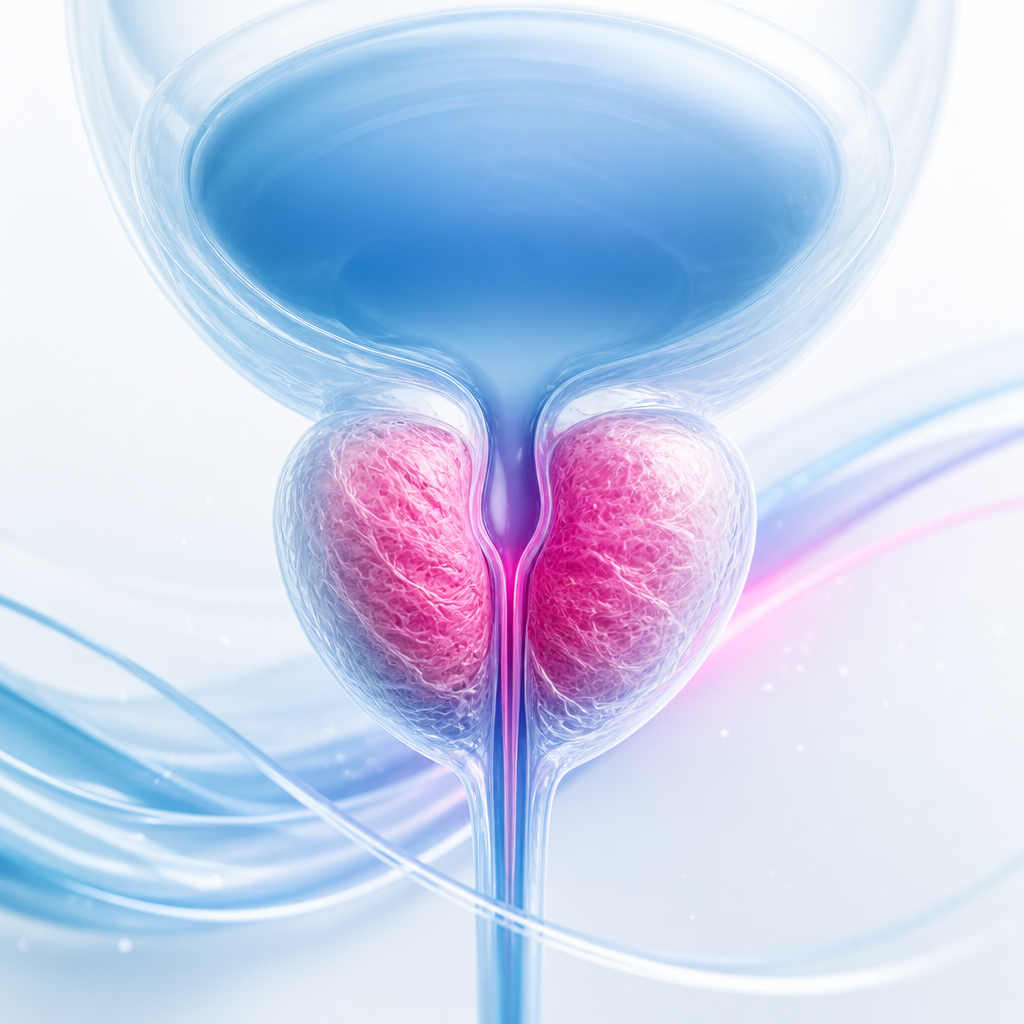
What is the Anatomical Mechanism of Progressive Benign Prostatic Hyperplasia?
Benign Prostatic Hyperplasia (BPH) is a progressive, histologically diagnosed condition characterized by the non-malignant proliferation of stromal and epithelial cells within the transition zone of the prostate gland, which anatomically surrounds the proximal urethra. As these cells multiply, they exert mechanical compression on the prostatic urethra, leading to bladder outlet obstruction (BOO). In response to this increased resistance, the detrusor muscle of the bladder hypertrophies to generate higher voiding pressures. Over time, if the obstruction is left untreated, this compensatory mechanism fails, leading to detrusor muscle decompensation, severe urinary retention, and in advanced cases, post-renal acute kidney injury or chronic renal insufficiency.
In the early stages of BPH, non-surgical approaches are highly effective. Lifestyle modifications—such as fluid restriction before sleep, avoiding bladder irritants like caffeine and alcohol, and avoiding medications that exacerbate retention (e.g., decongestants)—can significantly alleviate mild symptoms. Pharmacotherapy is the cornerstone of conservative management. Alpha-1-adrenergic antagonists act rapidly to relax the smooth muscle of the prostate stroma and bladder neck, while 5-alpha reductase inhibitors (5-ARIs) work over several months to reduce prostate volume by blocking the conversion of testosterone to dihydrotestosterone. Conservative management remains highly reasonable as long as the patient maintains a low post-void residual volume, experiences no recurrent infections, and feels that their quality of life is acceptable.
How Do Modern Surgical Interventions Compare with Conservative Management?
When conservative treatments fail, surgical intervention becomes the standard of care to relieve the physical blockage. According to multiple observational studies and meta-analyses published by the American Urological Association (AUA) in 2023, delay of surgery in the presence of severe obstruction can lead to irreversible detrusor underactivity, meaning that even after a successful surgery, the bladder may never fully empty. Therefore, quantitative parameters must be assessed alongside patient-reported symptoms.
The table below compares the most common therapeutic pathways for moderate-to-severe prostate enlargement, highlight their clinical utility, advantages, and inherent limitations:
| Treatment Modality | Primary Indication | Key Advantage | Primary Limitation |
|---|---|---|---|
| Pharmacotherapy (Alpha-blockers/5-ARIs) | Mild-to-moderate symptoms, prostate volume < 40 mL | Non-invasive, no surgical recovery period required | Requires lifetime adherence; does not permanently reverse structural growth |
| TURP (Transurethral Resection) | Moderate-to-severe symptoms, prostate volume 30–80 mL | Established gold standard with extensive long-term efficacy data | Higher risk of bleeding; transient catheterization required post-operatively |
| HoLEP (Holmium Laser Enucleation) | Severe symptoms, ideal for large prostates (> 80 mL) | Minimal bleeding risk, extremely low recurrence rate, rapid recovery | Technically demanding procedure requiring specialized surgical expertise |
According to official guidelines from the European Association of Urology (EAU) 2022, both quantitative criteria, such as post-void residual volume, and qualitative clinical judgment regarding patient distress should be reviewed together to prevent irreversible bladder dysfunction.
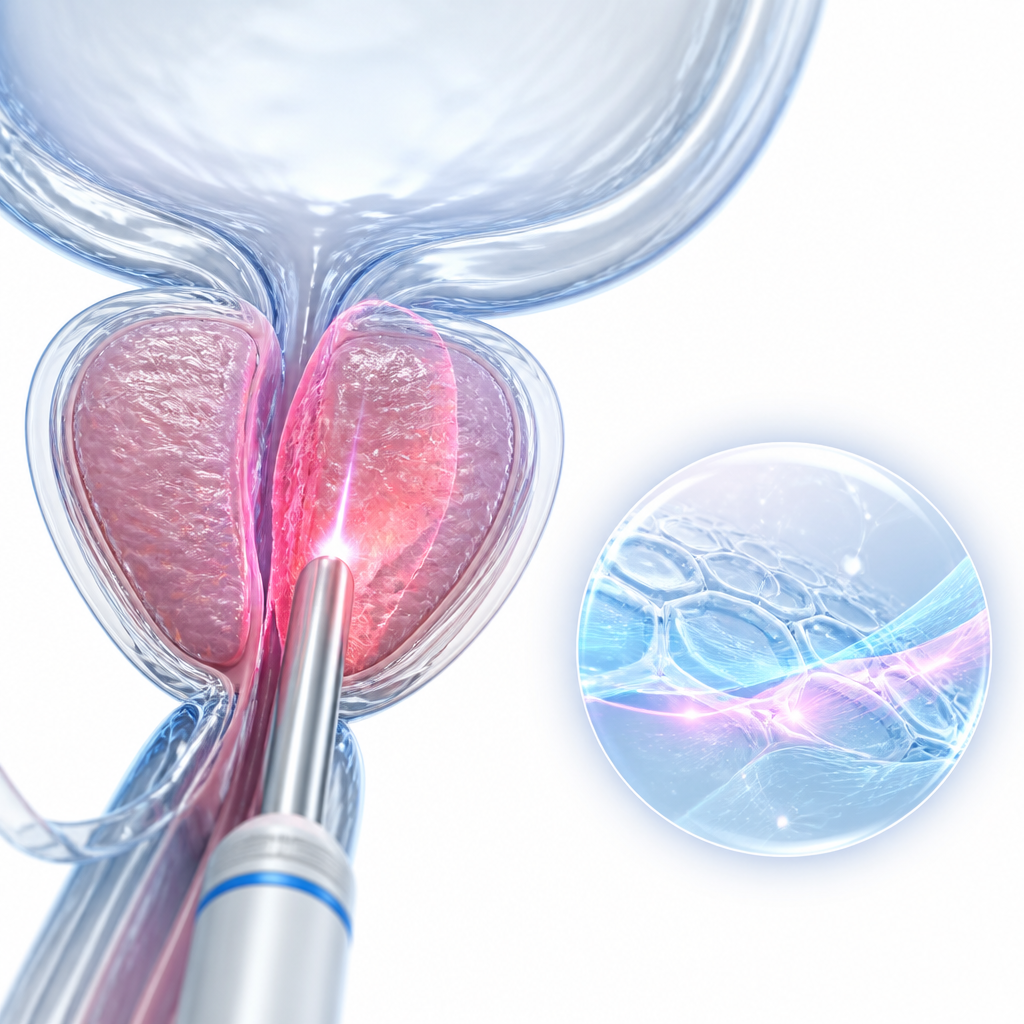
How Should Patients in Ilbong-dong Evaluate Their Surgical Readiness?
Evaluating surgical readiness requires a detailed diagnostic workup. A urology specialist in Ilbong-dong will typically perform a series of objective tests to measure the degree of bladder outlet obstruction and rule out other confounding conditions. Patients can use the following checklist to assess whether their symptoms warrant a transition from medication to surgical planning:
- Persistent High IPSS: An International Prostate Symptom Score continuously above 20 despite active pharmacotherapy.
- Elevated Post-Void Residual Volume: Diagnostic ultrasound showing a post-void residual volume consistently exceeding 150–200 mL.
- Recurrent Urinary Tract Infections: Multiple documented UTIs directly caused by urinary stasis within the bladder.
- Episodes of Urinary Retention: At least one episode of acute urinary retention requiring emergency catheterization.
- Hematuria or Bladder Stones: Persistent gross hematuria arising from prostatic varices, or the presence of bladder calculi.
To help guide patients through this clinical decision-making process, urologists utilize an If-Then Decision Flowchart:
[IF] The patient presents with mild-to-moderate symptoms (IPSS < 12) and minimal residual urine,
[THEN] initiate or continue conservative medical therapy and conduct repeat clinical evaluations every 6 to 12 months.
[IF] The patient experiences moderate-to-severe symptoms (IPSS ≥ 20) or fails to tolerate the side effects of medications (such as orthostatic hypotension or sexual dysfunction),
[THEN] perform a transrectal ultrasound (TRUS) and uroflowmetry to assess eligibility for minimally invasive surgery or TURP.
[IF] The patient exhibits absolute surgical indications such as recurrent urinary retention, bladder stones, renal insufficiency, or a prostate volume exceeding 80 mL,
[THEN] prioritize definitive surgical enucleation, such as HoLEP, to restore normal voiding mechanics and preserve bladder function.
However, outcomes may differ in exceptional cases such as patients with concurrent neurogenic bladder disorders (e.g., from advanced diabetes or Parkinson’s disease), where detrusor muscle underactivity may prevent complete voiding resolution even after the mechanical obstruction is surgically cleared.
Frequently Asked Questions FAQ
QIs prostate surgery safe for elderly patients with pre-existing conditions?
Yes, modern prostate surgeries, particularly laser-based procedures like HoLEP, are highly suitable for elderly patients. Because laser enucleation provides immediate hemostasis (blood vessel sealing) during the procedure, it is significantly safer for patients who must remain on blood thinners or antiplatelet therapies, minimizing cardiovascular and bleeding risks compared to conventional open surgery.
QWill prostate surgery cause permanent urinary incontinence or erectile dysfunction?
Permanent complications are rare with modern, nerve-sparing techniques. Transient urinary incontinence can occur immediately after catheter removal but typically resolves within a few weeks through pelvic floor muscle exercises. The risk of new-onset erectile dysfunction is extremely low (under 1–2% in experienced hands), though retrograde ejaculation (semen entering the bladder during orgasm) remains a common, expected outcome of tissue removal.
QHow long is the hospital stay and overall recovery period after surgery?
For advanced laser procedures, the hospital stay is usually brief, often requiring only 1 to 2 days of post-operative observation. The urinary catheter is typically removed within 24 to 48 hours. Most patients can return to light desk work within a week, but strenuous physical labor, heavy lifting, and sexual intercourse should be avoided for 4 to 6 weeks to ensure the prostatic urethra heals completely.

This content is general medical information, and individual treatment decisions should be made through imaging tests and in-person medical evaluation.
Author: Medical content editor based on medical information research
Reviewed by: Specialist consultation from the relevant department
Last reviewed: 2026-07-29
Reference guideline: American Urological Association (AUA) Guidelines 2023
Medical neutrality and closing note
The core of medical decision-making is not to follow a specific device or a trending procedure, but to choose an option that fits each patient’s individual anatomy, condition, risk level, and treatment goals. Every procedure has both advantages and limitations, so decisions should be made after sufficient discussion with an experienced specialist.
[Medical information and copyright notice]
This content is a professional medical column prepared based on medical consultation from 굿모닝비뇨기과.
The infographics used in this article are created to support understanding and may differ from actual clinical results.
The information provided is a general medical guideline, and accurate diagnosis and treatment require an in-person evaluation by a qualified specialist.