What Should You Consider When Selecting a Urology Day Surgery Center with Inpatient Rooms?
Why do complex urological procedures require both same-day discharge and temporary inpatient monitoring?
Urological day surgery involves surgical interventions on the genitourinary tract—ranging from transurethral resections to microscopic varicocelectomy—where advanced anesthesia and minimally invasive techniques allow discharge within 24 hours while requiring rigorous post-operative hemodynamic monitoring. While the shift toward ambulatory surgery reduces hospital-acquired infections and speeds up social rehabilitation, the genitourinary system is highly vascular and sensitive to acute physiological changes. Without a transition period in a controlled environment, patients risk unmanaged acute urinary retention, silent hemorrhage, or sudden vasovagal reactions.
For instance, procedures involving the prostate or bladder neck often disrupt normal voiding pathways. Having access to structured recovery beds allows clinical staff to perform active catheter management, evaluate fluid intake and output, and ensure the patient can void spontaneously and safely before returning home. Conservative options such as pelvic floor muscle training, oral medications (like alpha-blockers), or temporary outpatient catheterization are viable for mild or non-progressive symptoms; however, when surgical intervention becomes necessary, the safety of the recovery environment becomes paramount.
Treatment timing: Surgical intervention should be scheduled promptly once conservative medical therapies fail to resolve progressive obstruction, recurrent urinary tract infections, or persistent hematuria.
Non-surgical care: Conservative management remains reasonable for patients with stable, mild symptoms and no evidence of upper urinary tract deterioration or significant post-void residual volume.
Treatment selection: The decision to proceed with day surgery depends on the patient’s detailed urodynamic evaluation, overall cardiovascular risk profile, and the availability of dedicated post-operative recovery spaces.
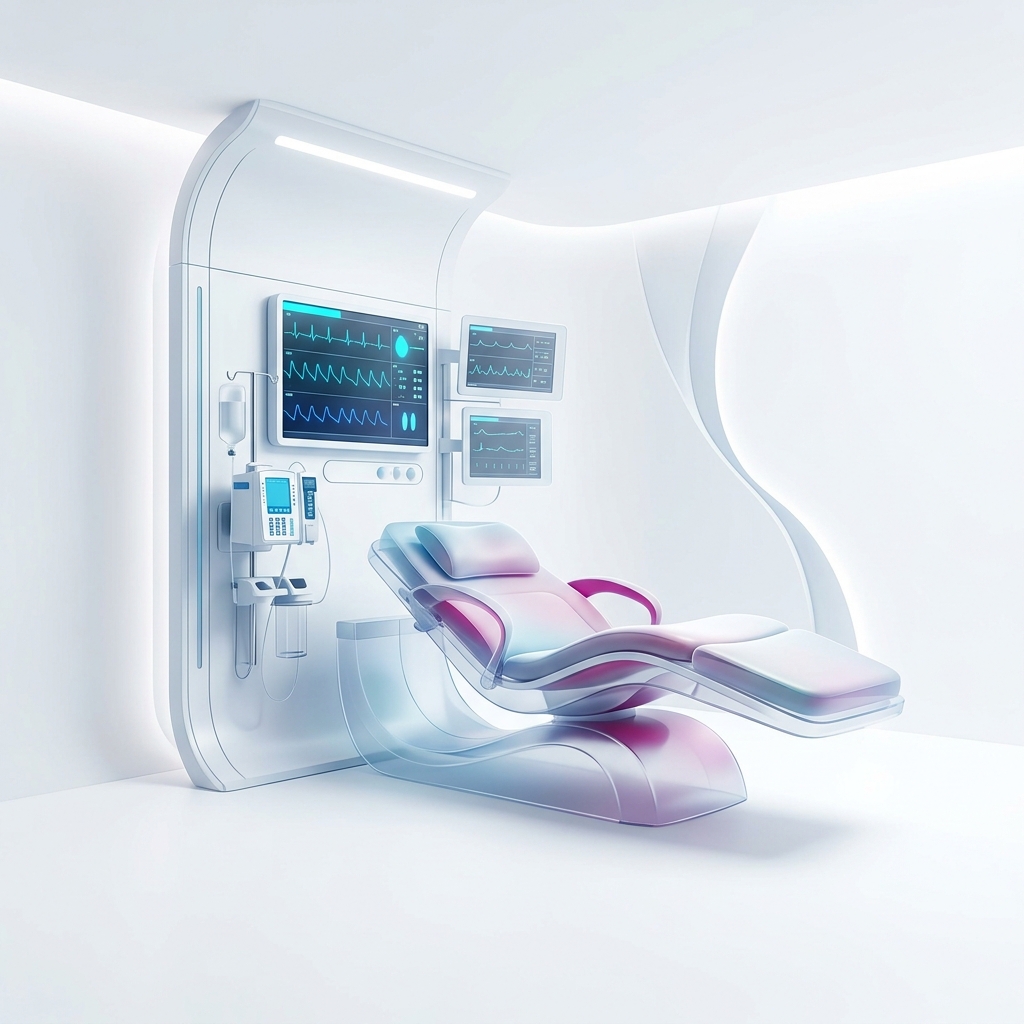
Evaluating Safety Standards: Outpatient-Only Clinics vs. Day Surgery Centers with Inpatient Wards
According to multiple observational studies and meta-analyses published in the Journal of Urology (2022), approximately 12% of patients undergoing transurethral procedures without dedicated recovery monitoring experience acute urinary retention or minor secondary hemorrhage within the first 6 hours post-surgery. This highlights the stark contrast between outpatient-only clinics and specialized day surgery centers equipped with inpatient recovery rooms.
A dedicated inpatient ward provides the clinical infrastructure necessary for extended observation, allowing the surgical team to perform serial checks on vital signs, monitor hematuria grading, and administer intravenous hydration or analgesics. The transition from general or regional anesthesia to complete alertness requires a validated assessment, such as the Aldrete score, which evaluates respiration, circulation, consciousness, oxygen saturation, and activity. Standard outpatient clinics often lack the dedicated staff or space to conduct these multi-hour evaluations safely.
| Feature | Outpatient-Only Clinic | Day Surgery Center with Inpatient Ward |
|---|---|---|
| Post-Anesthesia Monitoring | Short-term recovery chairs; limited active hemodynamic tracking. | Dedicated beds with continuous monitoring of vitals and oxygenation. |
| Complication Management | Limited capacity; often requires immediate referral to emergency rooms. | On-site active intervention for hematuria, pain control, or urinary retention. |
| Voiding Trials | Often omitted or rushed due to time and space constraints. | Systematic voiding trials monitored by specialized nursing staff. |
According to official guidelines or academic evidence, both quantitative criteria and clinical judgment should be reviewed together to ensure that ambulatory urologic procedures do not compromise patient safety.
While day surgery centers offer exceptional safety and efficiency, outcomes may differ in exceptional cases such as patients presenting with severe neurogenic bladder dysfunction or advanced chronic kidney disease, where prolonged multi-day hospitalization and intensive multidisciplinary care are mandatory.

Key Checklist: How to Choose a Safe Urology Day Surgery Center
When selecting a facility for your urological procedure, verifying specific clinical capabilities is essential for a smooth recovery. Ensure the clinic meets the following criteria:
- Dedicated Inpatient Ward: Confirm the presence of licensed recovery beds, allowing for multi-hour or overnight stays if required.
- Specialized Nursing Staff: Ensure the recovery area is staffed by nurses trained in urological post-operative care, catheter management, and voiding trials.
- Advanced Monitoring Equipment: The facility must feature continuous ECG, pulse oximetry, and automated blood pressure monitoring for each recovery bed.
- Emergency Protocol & Partnerships: A clear, established protocol for emergency transfer to secondary or tertiary hospitals must be in place.
- Comprehensive Pre-Operative Screening: The clinic must conduct thorough cardiovascular and urodynamic evaluations to determine day-surgery eligibility.
To assist in your decision-making, follow this systematic clinical pathway:
- Step 1: Undergo a comprehensive pre-operative screening, including cardiovascular assessment and a review of your medication history.
- Step 2: Determine if your surgical procedure requires post-operative catheterization or extended monitoring of fluid balance.
- Step 3: Confirm that the selected center offers dedicated inpatient rooms to support active recovery and structured voiding trials.
Frequently Asked Questions FAQ
QIs same-day urology surgery safe for elderly patients with pre-existing conditions?
Yes, provided the clinic is equipped with dedicated inpatient recovery rooms and advanced anesthetic monitoring. Elderly patients with cardiovascular or renal comorbidities require extended post-operative observation to manage risks like urinary retention or transient hematuria before safe discharge.
QWhat is the purpose of having dedicated inpatient rooms for a day surgery center?
Inpatient or day-stay recovery beds allow patients to undergo critical post-operative monitoring, including voiding trials, IV hydration, and active pain management. This bridging care minimizes emergency readmissions and ensures hemodynamic stability.
QHow long should I stay in the recovery ward before safe discharge?
Typically, a monitoring period of 3 to 6 hours is standard for moderate urological procedures. During this time, specialists evaluate the patient’s Aldrete score, pain control, and ability to void spontaneously before approving discharge.

This content is general medical information, and individual treatment decisions should be made through imaging tests and in-person medical evaluation.
Author: Medical content editor based on medical information research
Reviewed by: Specialist consultation from the relevant department
Last reviewed: 2026-06-25
Reference guideline: 2023 European Association of Urology (EAU) Guidelines on Ambulatory and Day Surgery Procedures
Medical neutrality and closing note
The core of medical decision-making is not to follow a specific device or a trending procedure, but to choose an option that fits each patient’s individual anatomy, condition, risk level, and treatment goals. Every procedure has both advantages and limitations, so decisions should be made after sufficient discussion with an experienced specialist.
[Medical information and copyright notice]
This content is a professional medical column prepared based on medical consultation from 굿모닝비뇨기과.
The infographics used in this article are created to support understanding and may differ from actual clinical results.
The information provided is a general medical guideline, and accurate diagnosis and treatment require an in-person evaluation by a qualified specialist.