When Should You Seek Urgent Evaluation for Blood in Urine? A Clinical Guide to Hematuria Treatment in Buldang-dong
Why Is Finding Blood in Your Urine a Critical Clinical Sign?
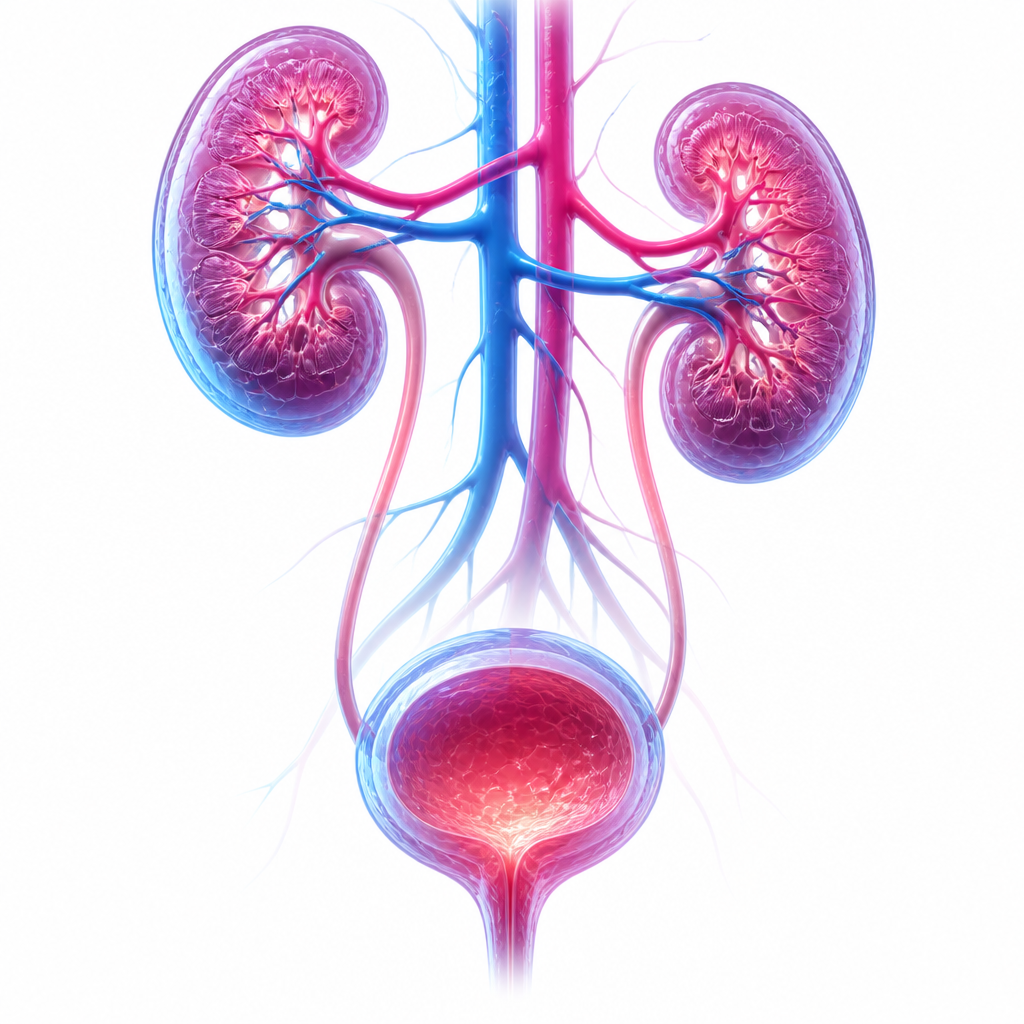
Hematuria is defined as the abnormal presence of erythrocytes in the urinary tract, representing a key clinical sign of underlying urological or nephrological pathology ranging from benign infections to malignant neoplasms. When patients notice discoloration in their urine, or when a routine urinalysis detects microscopic red blood cells, it triggers significant anxiety. In the context of urological health in Buldang-dong, obtaining an accurate diagnosis is the first and most critical step. Hematuria is not a disease itself, but rather a clinical symptom indicating structural, infectious, or inflammatory disruption along the genitourinary tract—from the renal glomerulus down to the bladder and urethra.
While benign etiologies like urinary tract infections (UTIs) or vigorous physical exertion are common, more serious conditions such as bladder cancer, kidney stones, or progressive renal diseases must be thoroughly evaluated. Early detection through proper hematuria treatment pathways dramatically improves long-term clinical outcomes and prevents the progression of silent urological diseases.
Treatment timing: Prompt evaluation within days is highly recommended for macroscopic hematuria, while persistent microscopic hematuria should be investigated within 1 to 2 weeks.
Non-surgical care: Conservative management, including hydration, lifestyle modification, and close active surveillance, is appropriate for transient, non-malignant causes like uncomplicated UTIs or minor trauma.
Treatment selection: Therapeutic interventions are tailored based on patient risk stratification, anatomical origin of bleeding, age, and systemic comorbidities.
How Do Specialists Differentiate Between Microscopic and Gross Hematuria?
According to domestic and international clinical guidelines, hematuria is broadly categorized into two types: microscopic hematuria and gross (macroscopic) hematuria. According to the American Urological Association (AUA) 2020 guidelines, microscopic hematuria is defined as the presence of 3 or more red blood cells per high-power field (RBC/HPF) on a properly collected microscopic urine sediment examination. This form is invisible to the naked eye and is typically discovered incidentally during routine health checkups.
In contrast, gross hematuria is visible to the naked eye, coloring the urine pink, red, or tea-colored. Even a single episode of gross hematuria carries a much higher risk of malignancy, with statistics showing that approximately 10% to 20% of adult patients presenting with gross hematuria are eventually diagnosed with a urological cancer. Therefore, immediate referral to an experienced urologist is essential for proper risk stratification and diagnostic planning.
| Diagnostic Criterion | Microscopic Hematuria | Gross Hematuria |
|---|---|---|
| Visibility | Detected only via microscopic urinalysis (≥3 RBC/HPF) | Visible discoloration (pink, red, or dark tea color) |
| Malignancy Risk | Lower (approx. 1% to 3%), but increases with risk factors | Significantly higher (up to 20% in high-risk groups) |
| Common Causes | Glomerular disease, early-stage stones, mild hypertrophy | Urolithiasis, bladder tumors, severe infections, trauma |
| Primary Diagnostics | Urinalysis, renal function tests, ultrasound | Cystoscopy, CT urography, cytology |
According to official guidelines or academic evidence, both quantitative criteria and clinical judgment should be reviewed together.

What Diagnostic Steps and Treatment Pathways Are Required for Hematuria in Buldang-dong?
To safely identify the origin of urinary bleeding, urologists utilize a combination of clinical tests. The diagnostic journey often begins with a detailed patient history and physical exam, followed by a confirmative urinalysis. Depending on the patient’s age and risk factors (such as smoking history, exposure to chemical dyes, or pelvic radiation), further imaging is scheduled.
Common advanced diagnostic procedures include:
- Cystoscopy: This endoscopic procedure allows direct visualization of the bladder lining and urethra. *Advantage:* Highly accurate in detecting small mucosal lesions and bladder tumors. *Limitation:* It is an invasive procedure that can cause mild, temporary urethral discomfort.
- Computed Tomography Urography (CT Urography): A multi-phase contrast imaging technique of the kidneys, ureters, and bladder. *Advantage:* Excellent detection of upper tract stones and renal masses. *Limitation:* Involves exposure to ionizing radiation and intravenous contrast media risks.
Based on these findings, targeted hematuria treatment can begin. For instance, if urolithiasis (kidney stones) is detected, treatment may range from medical expulsive therapy to non-invasive extracorporeal shock wave lithotripsy (ESWL). If an infection is identified, a course of appropriate antibiotics will be prescribed. However, outcomes may differ in exceptional cases such as patients with severe pre-existing renal impairment or acute urinary tract infections, where diagnostic protocols must be temporarily modified.
To assist in your clinical evaluation process, consider the following diagnostic checklist:
- Is the hematuria gross (visible) or microscopic (incidentally found)?
- Are you experiencing painful micturition, flank pain, or systemic fever?
- Do you have a personal history of smoking, chemical exposures, or pelvic radiation?
- Are you currently taking anticoagulant or antiplatelet medications?
- Has there been any history of recent strenuous exercise or physical trauma?
Clinical Decision Flowchart:
- IF gross hematuria or high-risk microscopic hematuria is identified, THEN schedule prompt cystoscopy and upper tract imaging (CT Urography).
- IF microscopic hematuria is found in a low-risk patient under 35, THEN consider initial evaluation for benign causes (e.g., infection, vigorous exercise) and repeat testing in 6 months.
- IF a glomerular or nephrological etiology is suspected (e.g., proteinuria, cast cells), THEN refer the patient to a nephrologist for metabolic or biopsy evaluation.
Frequently Asked Questions FAQ
QIs painless hematuria more dangerous than painful hematuria?
Yes, painless gross hematuria is clinically considered a classic red flag for genitourinary malignancies, such as bladder or kidney cancer. Painful hematuria is more frequently associated with inflammatory or mechanical conditions like urinary tract infections or passing kidney stones. However, all forms of blood in the urine must be evaluated by a specialist.
QCan medications cause red-colored urine that mimics hematuria?
Yes, certain medications, such as rifampin, phenazopyridine, and some laxatives, can discolor the urine red or orange. Additionally, dietary factors like eating large amounts of beets or blackberries can cause temporary discolored urine (beeturia). Urinalysis can quickly confirm whether actual red blood cells are present.
QWhat should I expect during a urological evaluation for hematuria in Buldang-dong?
A typical evaluation at 굿모닝비뇨기과 in Buldang-dong begins with a detailed consultation, followed by a sterile urine test. If indicated, non-invasive imaging like ultrasound or CT, and a minimally invasive, high-definition flexible cystoscopy may be performed to inspect your urinary tract safely and comfortably.

This content is general medical information, and individual treatment decisions should be made through imaging tests and in-person medical evaluation.
Author: Medical content editor based on medical information research
Reviewed by: Specialist consultation from the relevant department
Last reviewed: 2026-06-24
Reference guideline: 2020 American Urological Association (AUA) / Society of Urodynamics, Female Pelvic Medicine & Urogenital Reconstruction (SUFU) Guideline for Microhematuria
Medical neutrality and closing note
The core of medical decision-making is not to follow a specific device or a trending procedure, but to choose an option that fits each patient’s individual anatomy, condition, risk level, and treatment goals. Every procedure has both advantages and limitations, so decisions should be made after sufficient discussion with an experienced specialist.
[Medical information and copyright notice]
This content is a professional medical column prepared based on medical consultation from 굿모닝비뇨기과.
The infographics used in this article are created to support understanding and may differ from actual clinical results.
The information provided is a general medical guideline, and accurate diagnosis and treatment require an in-person evaluation by a qualified specialist.