When is the Right Time for Benign Prostatic Hyperplasia Surgery in Munseong-dong Urology? Clinical Criteria and Treatment Options
Why are more patients in Munseong-dong seeking clarity on BPH surgery timing?
Benign Prostatic Hyperplasia (BPH) is an progressive pathological condition characterized by the stromal and epithelial cell proliferation in the transition zone of the prostate gland. As the prostate enlarges over time, it exerts mechanical compression on the prostatic urethra, leading to bladder outlet obstruction (BOO) and secondary detrusor muscle hypertrophy. For patients residing in Munseong-dong experiencing progressive hesitancy, weak stream, and nocturia, determining the optimal threshold for transitioning from drug therapy to surgical intervention is critical to preventing irreversible bladder damage.
While pharmacological options like alpha-1 blockers and 5-alpha reductase inhibitors (5-ARIs) serve as initial management strategies, they do not always halt the mechanical progression. Delaying necessary surgical interventions can result in detrusor underactivity (myogenic failure), making post-operative recovery of voiding functions highly unpredictable. Clinical decisions must balance objective physiological metrics with subjective patient symptom scores to achieve long-term therapeutic success.
Treatment timing: Surgery is recommended when the International Prostate Symptom Score (IPSS) remains over 20 despite medication, or when objective signs like a post-void residual (PVR) volume exceeding 100 mL and recurrent urinary tract infections occur.
Non-surgical care: Watchful waiting and pharmacotherapy are highly reasonable for mild-to-moderate BPH (IPSS ≤ 19) in the absence of severe urinary retention, bladder wall trabeculation, or upper urinary tract deterioration.
Treatment selection: The choice between techniques like transurethral resection (TURP), holmium laser enucleation (HoLEP), or minimally invasive steam therapy is guided by the total prostate volume, cardiovascular risks, and the patient’s desire to preserve sexual and ejaculatory function.
What clinical guidelines define the transition from medication to surgical intervention?
According to domestic and international clinical guidelines, including those published by the American Urological Association (AUA, 2023) and the European Association of Urology (EAU, 2023), surgical intervention should be promptly evaluated when conservative or medical therapies fail to provide satisfactory symptomatic relief. Clinicians utilize quantitative diagnostics, such as uroflowmetry (peak flow rate, Qmax < 10 mL/s) and post-void residual (PVR) volume measurements to assess the degree of obstruction. If the bladder consistently fails to empty, the risk of chronic urinary retention and secondary post-renal acute kidney injury rises dramatically.
Furthermore, persistent obstruction leads to high intravesical pressures during micturition, causing the bladder wall to develop trabeculation and diverticula. These structural anomalies trap residual urine, fostering an environment prone to recurrent urinary tract infections (UTIs) and the formation of bladder calculi. When these complications present, continuing with medical therapy is no longer considered safe, and surgical relief of the prostatic obstruction becomes the standard of care.
| Surgical Modality | Primary Clinical Benefit | Primary Limitation / Risk | Target Prostate Size |
|---|---|---|---|
| TURP (Transurethral Resection) | Long-established gold standard; highly effective tissue debulking | Risk of bleeding; retrograde ejaculation rates up to 70-80% | 30 mL to 80 mL |
| HoLEP (Laser Enucleation) | Virtually no size limit; minimal bleeding; low recurrence rate | Steep learning curve; transient post-operative incontinence | Any size (> 80 mL preferred) |
| Minimally Invasive Therapy | Preserves sexual & ejaculatory function; rapid recovery | Limited efficacy on extremely large glands; potential retreatment | 30 mL to 80 mL |
According to official guidelines or academic evidence, both quantitative criteria and clinical judgment should be reviewed together. Relying solely on the patient’s subjective symptom score may lead to delayed interventions, especially in elderly patients who may have developed sensory adaptation to slow bladder emptying.

How should patients self-assess their progression toward surgical necessity?
While formal clinical testing is indispensable, patients in Munseong-dong can keep a close eye on their daily voiding patterns to recognize signs of worsening bladder outlet obstruction. The progressive nature of BPH means that compensation mechanisms in the detrusor muscle can mask severe issues until sudden, painful acute urinary retention occurs. Tracking specific behavioral and physiological changes can signal when to seek an advanced urological consultation at 굿모닝비뇨기과.
- Increasing Frequency and Nocturia: Waking up more than 2-3 times per night consistently, which disrupts sleep architecture and significantly degrades overall quality of life.
- Weak or Intermittent Urinary Stream: The sensation that the bladder is never fully empty, requiring physical straining or double voiding within minutes of finishing.
- Unexplained Urinary Tract Infections: Experiencing painful urination, cloudy urine, or sudden fevers which suggest stagnant urine is encouraging bacterial colonization.
- Visible Hematuria (Blood in Urine): Microscopic or gross hematuria caused by the rupture of fragile, congested veins on the surface of the enlarged prostate gland.
To guide decision-making effectively, urologists utilize an If-Then Clinical Pathway:
- IF the IPSS score is below 19 and post-void residual volume is less than 50 mL, THEN initiate conservative management consisting of lifestyle modifications (reducing evening fluid intake, eliminating bladder irritants like alcohol and caffeine) combined with watchful waiting.
- IF symptoms worsen to moderate-to-severe levels (IPSS 20-35) or quality of life is severely impacted, THEN initiate standard medical therapy using alpha-blockers or combination drug regimens.
- IF medical therapy fails to resolve symptoms, or if objective imaging reveals hydronephrosis, bladder stones, or a PVR consistently over 100-150 mL, THEN schedule a comprehensive pre-operative evaluation for prostate surgery at 굿모닝비뇨기과.
However, outcomes may differ in exceptional cases such as patients presenting with severe neurogenic bladder dysfunction, deep-seated detrusor underactivity, or underlying prostate malignancies, where standard surgical resection may not fully restore spontaneous voiding function.
Frequently Asked Questions FAQ
QIs prostate surgery safe for elderly patients with pre-existing cardiovascular conditions?
Yes, modern surgical approaches have greatly expanded safety margins. While conventional TURP carries moderate bleeding risks, advanced laser procedures like HoLEP or newer minimally invasive treatments dramatically reduce intraoperative blood loss, making them highly feasible for patients on blood thinners, provided they undergo proper perioperative management under specialist consultation.
QDoes BPH surgery completely eliminate the risk of developing prostate cancer in the future?
No, BPH surgeries target only the benign adenoma in the inner transition zone of the prostate that causes urethral obstruction. The outer peripheral zone of the prostate gland, where the vast majority of prostate cancers arise, remains intact. Therefore, continuing routine prostate-specific antigen (PSA) screenings and regular digital rectal examinations is still essential after surgery.
QWhat is the typical recovery timeline after undergoing a surgical procedure for BPH?
Depending on the specific surgical approach utilized, most patients will have a urethral catheter kept in place for 1 to 3 days post-operatively to allow the urethral mucosa to heal and prevent acute retention. Normal daily activities can typically be resumed within 1 to 2 weeks, while strenuous lifting and intense physical exercise should be avoided for approximately 4 to 6 weeks to prevent late hematuria.

This content is general medical information, and individual treatment decisions should be made through imaging tests and in-person medical evaluation.
Author: Medical content editor based on medical information research
Reviewed by: Specialist consultation from the relevant department
Last reviewed: 2026-06-26
Reference guideline: 2023 American Urological Association (AUA) & European Association of Urology (EAU) Guidelines on Management of Lower Urinary Tract Symptoms Attribute to Benign Prostatic Hyperplasia
Medical neutrality and closing note
The core of medical decision-making is not to follow a specific device or a trending procedure, but to choose an option that fits each patient’s individual anatomy, condition, risk level, and treatment goals. Every procedure has both advantages and limitations, so decisions should be made after sufficient discussion with an experienced specialist.
[Medical information and copyright notice]
This content is a professional medical column prepared based on medical consultation from 굿모닝비뇨기과.
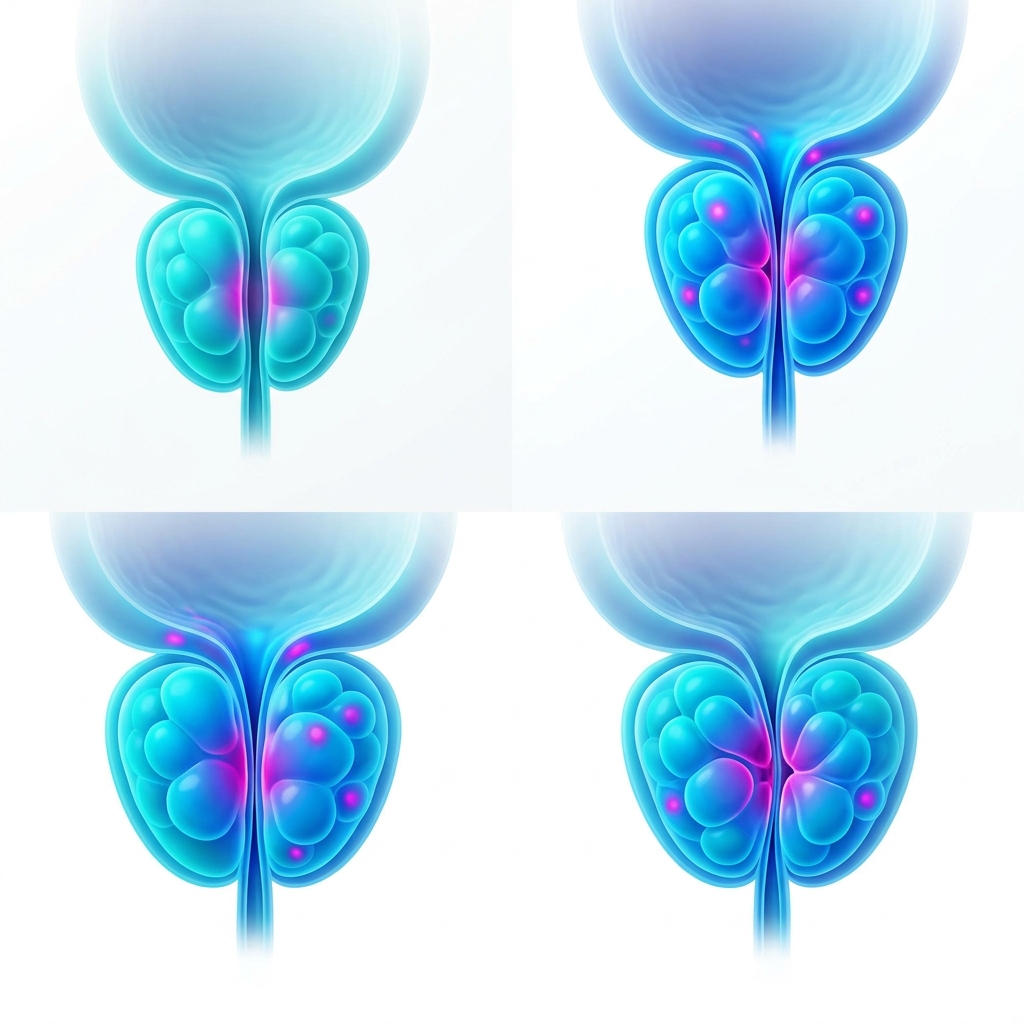
The infographics used in this article are created to support understanding and may differ from actual clinical results.
The information provided is a general medical guideline, and accurate diagnosis and treatment require an in-person evaluation by a qualified specialist.