When is Benign Prostatic Hyperplasia Surgery Absolutely Necessary? A Clinical Guide to BPH Treatment Timing and Options in Munseong-dong
How Does Benign Prostatic Hyperplasia Progress, and When Should You Consult a Urology Specialist in Munseong-dong?
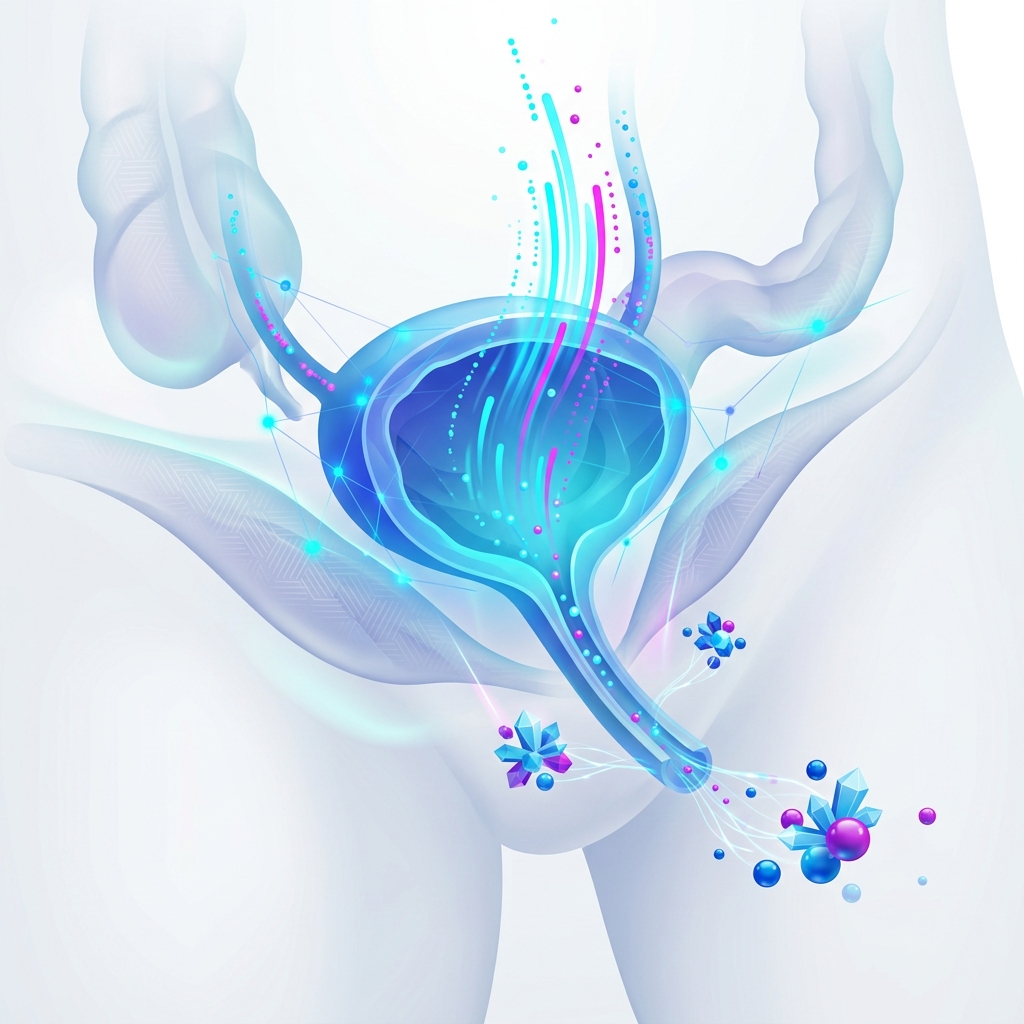
Benign prostatic hyperplasia (BPH) is a progressive histological condition characterized by the non-malignant proliferation of stromal and epithelial cells within the transition zone of the prostate gland, which anatomically compresses the prostatic urethra and leads to bladder outlet obstruction (BOO) and lower urinary tract symptoms (LUTS). As the prostate enlarges, it physically restricts the physiological exit of the bladder, forcing the detrusor muscle to work harder to expel urine. Over time, this chronic resistance can lead to structural remodeling of the bladder wall, resulting in trabeculation, reduced compliance, and ultimately detrusor underactivity.
For patients residing in the Munseong-dong area, identifying the transition from mild compensatory symptoms to severe obstructive pathology is crucial. Early stages of prostate enlargement are often managed conservatively, but as the obstruction progresses, patients may experience clinical deterioration. Urology guidelines suggest that a timely medical consultation is necessary when symptoms begin to disrupt sleep patterns or daily activities, or when there is a measurable decrease in urinary flow rate.
Treatment timing: Surgical intervention is optimal when clinical indicators—such as a peak urinary flow rate (Qmax) below 10 mL/s or a post-void residual (PVR) volume exceeding 100-150 mL—persist despite pharmacological therapy.
Non-surgical care: Conservative management, combining lifestyle modifications, bladder training, and combination drug therapies (such as alpha-blockers and 5-alpha reductase inhibitors), is highly reasonable for patients with moderate symptoms and no evidence of renal impairment or structural bladder damage.
Treatment selection: The choice of procedure must be guided by the patient’s specific prostate volume, comorbid risk profile, preservation of sexual function expectations, and the anatomical degree of bladder outlet obstruction.

What are the Diagnostic Criteria and Treatment Options for Moderate to Severe Prostate Enlargement?
According to domestic and international clinical guidelines, including those published by the American Urological Association (AUA) and the European Association of Urology (EAU), the assessment of BPH severity relies on a combination of subjective symptom scoring and objective physiological measurements. The International Prostate Symptom Score (IPSS) categorizes symptoms as mild (0–7), moderate (8–19), or severe (20–35). When conservative medical therapy fails to provide adequate symptom relief or if the patient is unable to tolerate the side effects of medications, surgical options must be evaluated.
In modern urological practice, several surgical and minimally invasive options are available, each with distinct mechanisms, clinical benefits, and inherent limitations. The table below outlines the primary modalities compared to conservative pharmacological therapy.
| Treatment Strategy | Anatomical Target | Primary Clinical Benefit | Primary Limitation |
|---|---|---|---|
| Combination Medication | Smooth muscle relaxation & prostate volume reduction | Non-invasive, suitable for initial moderate symptoms | Requires lifelong compliance; potential erectile dysfunction or orthostatic hypotension |
| Minimally Invasive Procedures (e.g., Urolift) | Mechanical retraction of lateral prostate lobes | Preserves sexual function; rapid recovery under local anesthesia | Less effective for very large prostates (>80g) or median lobe hyperplasia |
| Transurethral Resection (TURP) | Endoscopic resection of obstructive transitional tissue | Established gold standard with immediate, substantial flow improvement | Risk of retrograde ejaculation; requires temporary catheterization and hospitalization |
| Laser Enucleation (HoLEP) | Anatomical enucleation of entire adenoma utilizing laser | Excellent outcomes for extremely large prostates; minimal bleeding risk | Technically demanding; transient post-operative stress incontinence may occur |
According to official guidelines and extensive clinical registry data, both quantitative diagnostic criteria, such as urodynamic flow rates, and the patient’s subjective quality of life indicators must be reviewed together to determine the optimal intervention threshold.

When is Surgical Intervention Recommended Over Conservative Management?
According to multiple observational studies and meta-analyses, including a comprehensive longitudinal cohort review published in the *Journal of Urology* (2022), delaying necessary surgical intervention when clear absolute indications are present can lead to irreversible detrusor muscle damage. When the bladder is subjected to high-pressure voiding over several years, the muscle fibers undergo hypertrophy followed by fibrosis, making post-operative recovery of normal voiding function highly unpredictable.
To assist patients in Munseong-dong in understanding their clinical pathway, urology specialists utilize a systematic decision-making framework based on objective medical evidence. Below is a structured checklist and a decision flow diagram outlining the criteria for moving from conservative management to active intervention.
- Recurrent Acute Urinary Retention (AUR): Multiple episodes requiring emergency bladder catheterization.
- Refractory Hematuria: Persistent, visible blood in the urine caused directly by prostatic congestion that does not resolve with 5-alpha reductase inhibitors.
- Bladder Calculi: Formation of stones in the bladder secondary to chronic, severe urinary stasis.
- Bilateral Hydronephrosis: Backpressure of urine causing renal pelvis dilation and subsequent acute or chronic renal insufficiency.
- Recurrent Urinary Tract Infections (UTIs): Frequent upper or lower tract infections directly linked to high post-void residual volumes.
If-Then Clinical Decision Flowchart:
IF the IPSS score is below 19, the post-void residual (PVR) volume is under 100 mL, and renal function is normal, THEN initiate or continue conservative pharmacological management combined with annual urodynamic monitoring.
IF the patient experiences progressive LUTS with a PVR exceeding 150 mL, or suffers from recurrent UTIs despite medication compliance, THEN perform a comprehensive prostate volume assessment (via transrectal ultrasound) and discuss minimally invasive options or endoscopic surgical resection.
IF there is objective evidence of bladder stones, recurrent urinary retention, or rising serum creatinine levels indicative of post-renal obstructive nephropathy, THEN immediate surgical decompression of the prostate is strongly indicated.
However, outcomes may differ in exceptional cases such as patients presenting with pre-existing neurogenic bladder dysfunction, advanced diabetic cystopathy, or severe detrusor underactivity, where relieving the anatomical urethral obstruction may not completely alleviate lower urinary tract storage or emptying symptoms.
Frequently Asked Questions FAQ
QIs benign prostatic hyperplasia surgery safe for elderly patients?
Yes. With modern endoscopic and laser techniques, such as HoLEP, the risk of intraoperative bleeding is significantly reduced. This makes surgical intervention highly feasible and safe for elderly patients, provided their cardiovascular and systemic medical conditions are optimized pre-operatively under the guidance of a specialist.
QDoes BPH surgery cause permanent erectile dysfunction?
Most modern surgical techniques, including laser enucleation and transurethral resection, carry a very low risk of direct erectile dysfunction because the cavernous nerves responsible for erections run on the outer aspect of the prostate capsule, far from the internal transition zone being treated. However, retrograde ejaculation is a common and expected outcome of standard resections and enucleations, which patients should discuss with their surgeon prior to the procedure.
QWhat is the expected recovery timeline after prostate surgery?
While minor transient symptoms like mild hematuria or dysuria may persist for 2 to 4 weeks, most patients can return to non-strenuous daily activities within a week. The indwelling urinary catheter is typically removed within 1 to 3 days post-surgery, resulting in an immediate improvement in the force of the urinary stream.
QCan prostate enlargement recur after surgical treatment?
Surgical enucleation methods like HoLEP completely remove the transition zone adenoma down to the surgical capsule, resulting in an exceptionally low recurrence rate (often less than 1-2% over 10 years). Standard resections (TURP) also offer long-term relief, though a small percentage of patients may require a repeat procedure after a decade if residual tissue undergoes further hyperplastic growth.
This content is general medical information, and individual treatment decisions should be made through imaging tests and in-person medical evaluation.
Author: Medical content editor based on medical information research
Reviewed by: Specialist consultation from the relevant department
Last reviewed: 2026-06-26
Reference guideline: 2023 American Urological Association (AUA) Guideline for the Management of Lower Urinary Tract Symptoms Attributed to Benign Prostatic Hyperplasia
Medical neutrality and closing note
The core of medical decision-making is not to follow a specific device or a trending procedure, but to choose an option that fits each patient’s individual anatomy, condition, risk level, and treatment goals. Every procedure has both advantages and limitations, so decisions should be made after sufficient discussion with an experienced specialist.
[Medical information and copyright notice]
This content is a professional medical column prepared based on medical consultation from 굿모닝비뇨기과.
The infographics used in this article are created to support understanding and may differ from actual clinical results.
The information provided is a general medical guideline, and accurate diagnosis and treatment require an in-person evaluation by a qualified specialist.