When Should You Start a Precision Male Cancer Screening Program in Urology?
Why is a specialized urological screening essential for male cancers?
Male genitourinary malignancies, particularly prostate and testicular cancers, represent highly progressive diseases that often develop silently without presenting early noticeable symptoms. Prostate cancer, which is the most prevalent male non-skin malignancy globally, originates as a progressive malignant neoplasm of the glandular epithelial cells in the prostate gland. It is characterized by slow but progressive cellular proliferation that can ultimately penetrate the prostatic capsule and metastasize to regional pelvic lymph nodes and the skeletal system. Testicular cancer, on the other hand, is a highly aggressive solid tumor affecting younger demographics, where early detection directly correlates with a near-perfect cure rate. Waiting for physical symptoms—such as hematuria, urinary hesitancy, bone pain, or a palpable testicular mass—often means the disease has already progressed beyond its localized, highly treatable stage.
Modern clinical oncology emphasizes that general physical checkups are insufficient for comprehensive male cancer detection. Standard screenings often rely solely on baseline serum Prostate-Specific Antigen (PSA) tests, which lack the diagnostic specificity to differentiate malignant neoplasms from benign prostatic hyperplasia (BPH) or localized pelvic inflammation. A specialized urological screening program integrates advanced anatomical imaging, genetic risk profiles, and precise biomarker tracking to establish a highly customized diagnostic pathway. This proactive approach ensures that aggressive, high-risk tumors are intervened upon immediately, while low-grade, slow-growing tumors are managed conservatively without unnecessary surgical morbidity.
Treatment timing: Routine urological screenings should initiate at age 50 for average-risk men, and at age 40 for individuals with a first-degree family history of urological malignancies or known BRCA2 gene mutations.
Non-surgical care: Conservative active surveillance is the internationally recommended standard for localized, low-risk prostate cancers with a Gleason Score of 6 (3+3) or lower and stable PSA density under 0.15 ng/mL2.
Treatment selection: Therapeutic selection is systematically determined by evaluating histopathological grading (Gleason Score), localized anatomical staging via multiparametric MRI (PI-RADS scoring), and the patient’s age and clinical comorbidities.

What are the exact clinical diagnostic criteria for urological male cancers?
According to domestic and international clinical guidelines, including those established by the American Urological Association (AUA) and the European Association of Urology (EAU), the diagnostic pathway for male urological cancers has evolved from basic finger-stick exams to a highly sophisticated multi-tiered protocol. A modern, comprehensive male screening program does not rely on a single elevated PSA value. Instead, urologists utilize PSA density (PSA value divided by prostate volume measured via ultrasound) and PSA velocity (the rate of PSA rise over a 12-month period) to screen for malignant potential. If these parameters raise suspicion, the patient undergoes a non-invasive multiparametric magnetic resonance imaging (mpMRI) scan of the prostate, which is evaluated under the standardized Prostate Imaging-Reporting and Data System (PI-RADS).
The definitive gold standard for prostate cancer diagnosis remains the transrectal or transperineal ultrasound-guided fusion biopsy. The tissue samples collected are graded using the Gleason Grading System, which scores the two most common glandular patterns on a scale from 3 to 5, resulting in a total score ranging from 6 to This scoring system classifies tumors into low, intermediate, or high-risk categories, serving as the foundational compass for all subsequent treatment planning. However, clinical outcomes and diagnostic accuracy may differ in exceptional cases, such as patients with acute bacterial prostatitis, recent urinary tract instrumentation, or those taking 5-alpha reductase inhibitors (5-ARIs) like finasteride, which artificially lower baseline PSA levels by approximately 50 percent.
| Diagnostic Modality | Key Clinical Benefit | Clinical Limitation |
|---|---|---|
| Serum PSA & Biomarker Panels | Highly sensitive, non-invasive first-line screening tool for early cellular changes. | Low specificity; elevated by non-cancerous conditions like BPH and urinary infections. |
| Multiparametric MRI (mpMRI) | Excellent soft-tissue resolution with standardized PI-RADS grading to localize lesions. | High diagnostic cost and requires highly specialized uro-radiologist interpretation. |
| Targeted Fusion Biopsy | Provides definitive histopathological confirmation and precise Gleason scoring. | Invasive procedure carrying minor risks of localized infection, hematuria, or discomfort. |
According to official guidelines from the American Urological Association (AUA) and the European Association of Urology (EAU), a combination of serum PSA monitoring and multiparametric MRI (mpMRI) before biopsy significantly reduces unnecessary invasive procedures while maintaining high sensitivity for clinically significant prostate cancers.
How do we determine the transition from observation to active intervention?
One of the most critical aspects of modern male oncology is distinguishing indolent, non-threatening tumors from aggressive, fast-spreading malignancies. According to multiple observational studies and meta-analyses, such as a major 15-year clinical follow-up published in the New England Journal of Medicine (2023), over 99% of patients with low-risk, localized prostate cancer remain clinically stable and cancer-free after 10 years of active surveillance. Active surveillance is a rigorous, non-surgical management protocol involving scheduled PSA tests, repeated digital rectal examinations, periodic mpMRI scans, and confirmatory biopsies. This strategy allows patients to preserve vital urogenital function, avoiding the potential side effects of radical surgery or radiation, such as urinary incontinence or erectile dysfunction, until actual disease progression is demonstrated.
The transition from active surveillance to active therapeutic intervention—such as radical prostatectomy, radiotherapy, or focal therapies—is strictly guided by standardized quantitative clinical triggers. A urologist will recommend shifting to active treatment if sequential biopsy specimens show an upgrade in the Gleason Score to 7 (3+4) or higher, indicating a higher proportion of aggressive cells. Additionally, rapid PSA doubling times or the appearance of high-grade suspicious lesions (PI-RADS 4 or 5) on follow-up imaging will warrant immediate intervention. This systematic differentiation ensures that patients receive the exact level of care they require, eliminating both the dangers of under-treating aggressive diseases and the unnecessary quality-of-life impairments of over-treating low-risk conditions.
Clinical Decision-Making Checklist:
- Baseline serum PSA exceeds 4.0 ng/mL, or demonstrates a rapid velocity of >0.75 ng/mL/year.
- The multiparametric MRI (mpMRI) scan reveals a highly suspicious lesion graded as PI-RADS 4 or 5.
- Histopathological tissue analysis indicates a Gleason Score of 7 or higher, requiring active oncology treatment.
- Prostate Specific Antigen density (PSAD) is verified to be greater than 0.15 ng/mL2.
- Genetic risk panels or family medical history confirm a high predisposition for rapid tumor progression.
If-Then Clinical Decision Flowchart:
IF initial serum PSA is elevated (>4.0 ng/mL) or a palpable nodule is detected during a digital rectal exam, THEN proceed to a multiparametric MRI (mpMRI) to calculate the standardized PI-RADS score.
IF the mpMRI indicates a high-risk lesion (PI-RADS 3, 4, or 5), THEN execute a targeted MRI-ultrasound fusion biopsy to acquire histopathological tissue samples.
IF the pathology confirms a low-risk tumor (Gleason Score ≤ 6), THEN enroll the patient in a structured active surveillance protocol; IF it confirms intermediate or high-risk cancer (Gleason Score ≥ 7), THEN initiate definitive therapeutic options such as robotic-assisted laparoscopic surgery or radiation therapy.
Frequently Asked Questions FAQ
QIs an elevated PSA level an absolute indicator of prostate cancer?
No, an elevated PSA level is not a definitive diagnosis of prostate cancer. PSA is organ-specific, not cancer-specific. Mild to moderate elevations can be caused by benign conditions such as benign prostatic hyperplasia (BPH), acute or chronic prostatitis, recent urinary catheterization, or even vigorous physical activity prior to the blood draw. A precision urology screening program utilizes advanced metrics, including free-to-total PSA ratios, PSA density, and mpMRI scans to accurately differentiate malignant changes from benign prostatic conditions.
QAt what age should a man begin a specialized urological screening program?
According to major international urological guidelines, men at average risk should begin annual screening at age However, men with a first-degree relative (father or brother) diagnosed with prostate cancer, or individuals of African descent, have a significantly elevated baseline risk and should initiate precision screenings starting at age For testicular cancer, young men between the ages of 15 and 35 are encouraged to perform regular self-examinations and seek immediate urological evaluation if any painless testicular swelling is noticed.
QWhat does active surveillance involve, and is it clinically safe?
Active surveillance is a highly structured, scientifically validated monitoring protocol designed for low-risk, localized prostate cancers. It typically involves serum PSA testing every 3 to 6 months, a digital rectal examination annually, and a repeat multiparametric MRI and confirmatory biopsy every 1 to 3 years. Numerous large-scale clinical trials have confirmed that for low-risk disease (Gleason Score 6), active surveillance is exceptionally safe and successfully prevents the urinary and sexual side effects associated with immediate surgical or radiation therapy.

This content is general medical information, and individual treatment decisions should be made through imaging tests and in-person medical evaluation.
Author: Medical content editor based on medical information research
Reviewed by: Specialist consultation from the relevant department
Last reviewed: 2026-06-16
Reference guideline: 2024 American Urological Association (AUA) / European Association of Urology (EAU) Guidelines
Medical neutrality and closing note
The core of medical decision-making is not to follow a specific device or a trending procedure, but to choose an option that fits each patient’s individual anatomy, condition, risk level, and treatment goals. Every procedure has both advantages and limitations, so decisions should be made after sufficient discussion with an experienced specialist.
[Medical information and copyright notice]
This content is a professional medical column prepared based on medical consultation from 굿모닝비뇨기과.
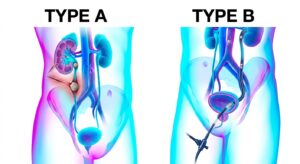
The infographics used in this article are created to support understanding and may differ from actual clinical results.
The information provided is a general medical guideline, and accurate diagnosis and treatment require an in-person evaluation by a qualified specialist.